Why Moss Matters in Kyoto Zen Gardens
Sometimes, slow is not behind — slow is depth.
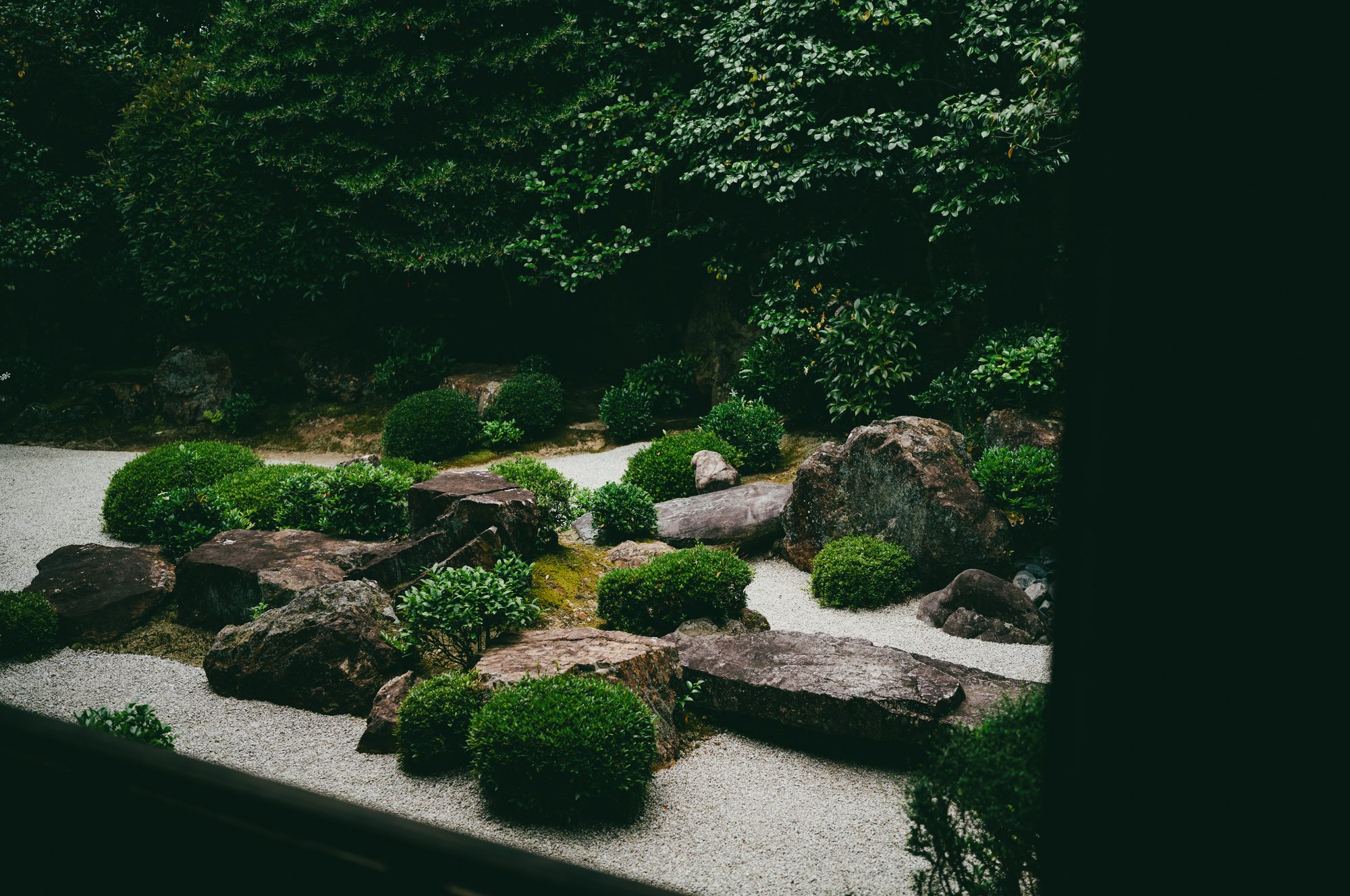
Perhaps not because it stands out—
but because it quietly expresses
something essential in Japanese aesthetics.
It reflects a preference for
subtlety over boldness,
softness over contrast,
and quiet harmony over decoration.
Moss embodies all of this.
It looks so still…
and yet, it is very much alive.
Moss grows slowly—
but it never stops.
It doesn't rush to become something.
It doesn't try to be seen.
And yet, over time,
it covers everything.
slow is depth.
If you look closely,
moss is not a single plant.
It is a community.
They hold moisture together,
they survive together.
Moss never lives alone.
And maybe…
we are not meant to either.
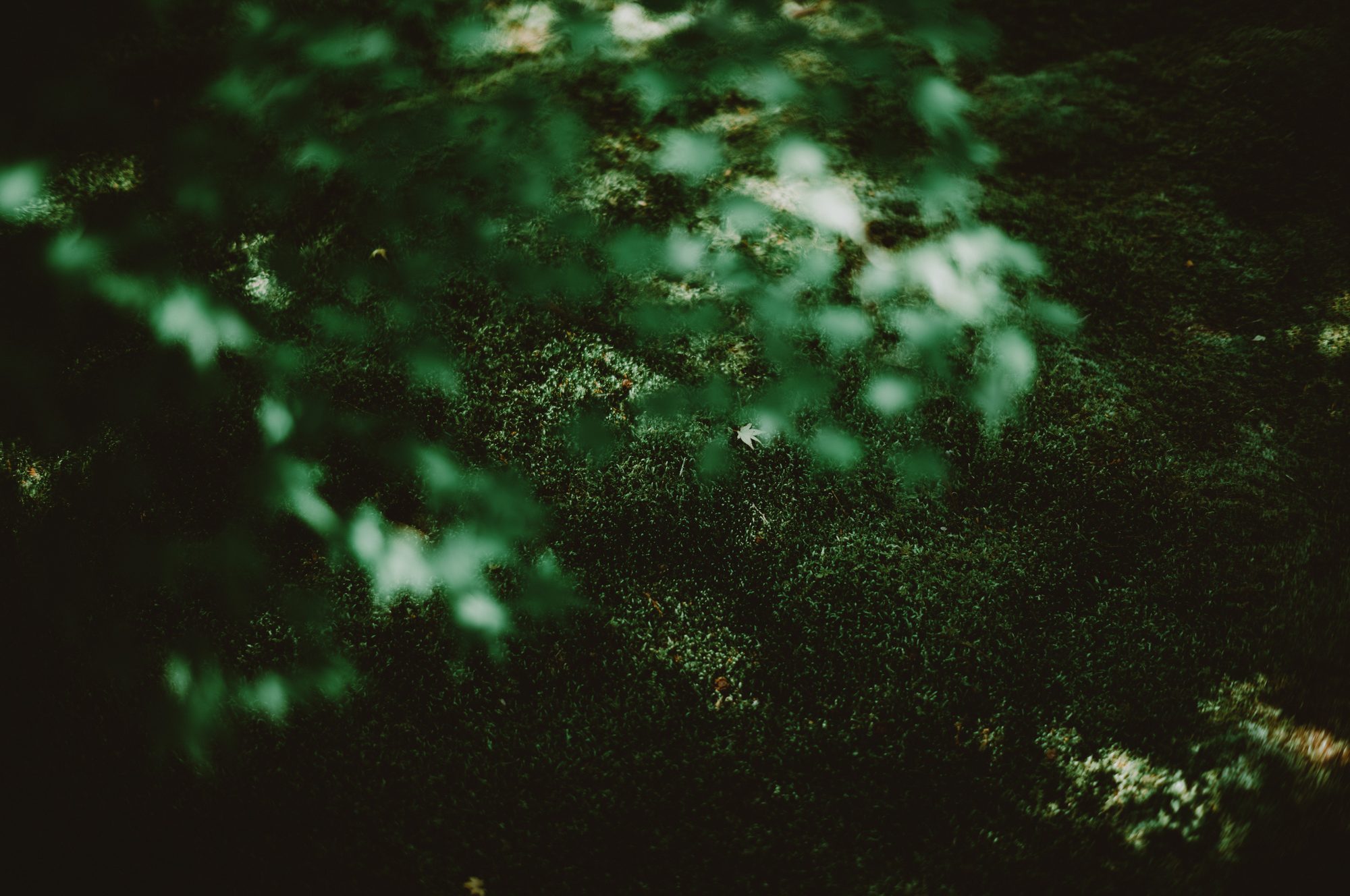
Moss has no deep roots.
It stays close to the ground.
It's not tall.
It's not obvious.
And yet—
it can dry out and come back to life.
It can grow on stone.
It survives where little else can.
This is a grounded strength.
Not rising to prove—
but settling deeply into being.
I'm deeply inspired by moss, in three ways.
First, it grows quietly—without force.
Second, it exists in connection—it never lives alone.
And third, it spreads gently, softly covering everything it touches.
In many ways, our awareness is like this.
It doesn't need to be strong, or intense.
yet quietly powerful.
Gently meeting each moment,
each sensation,
each experience.
And in that gentle presence,
something begins to shift.
Not through effort—
but through awareness.