Translating the Stillness of Kyoto
The stillness is not accidental.
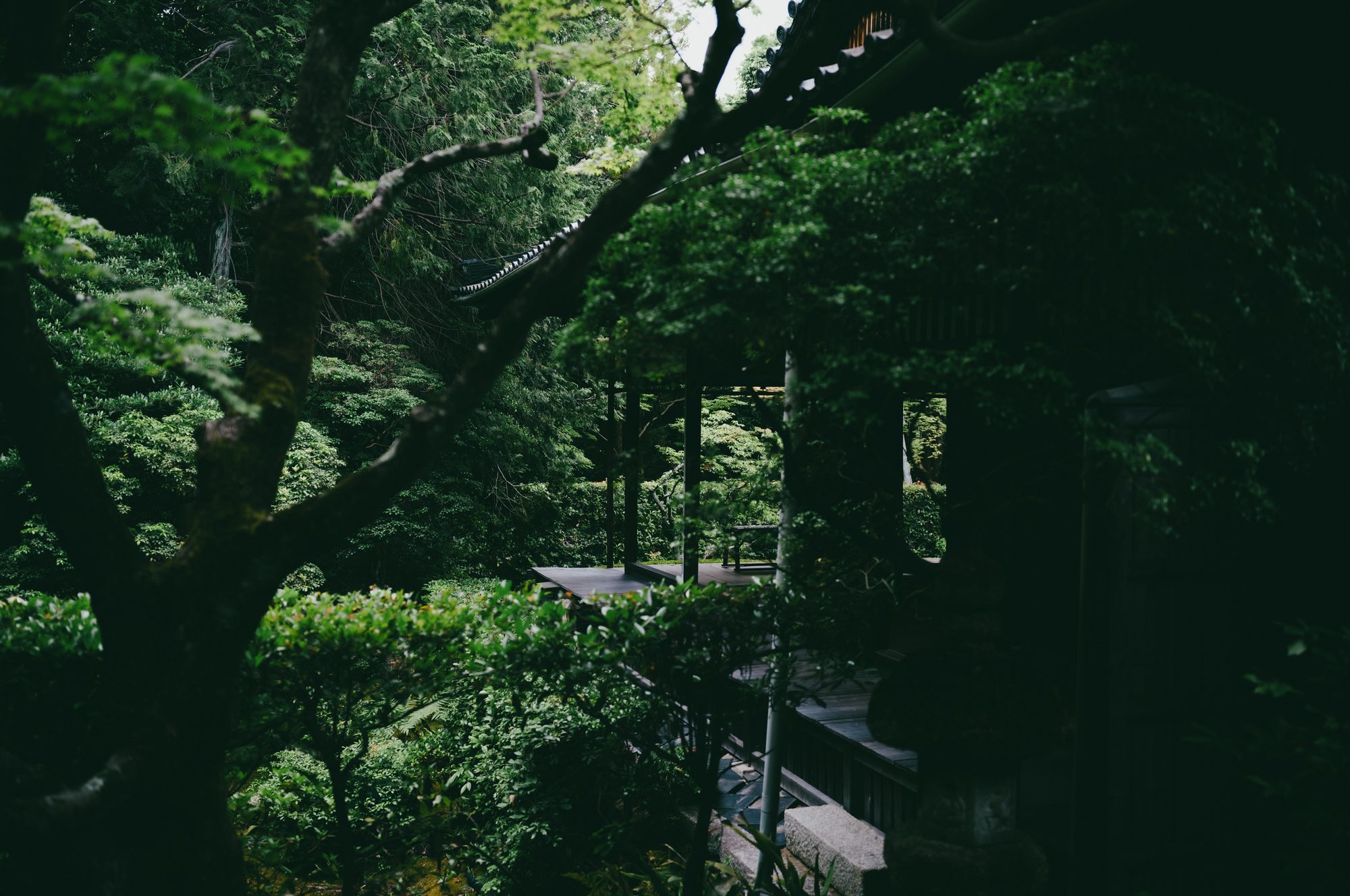
Kyoto’s temples represent one of the most refined aesthetic expressions in the world. Yet the profound stillness they evoke is not accidental, nor merely decorative.
Behind the beauty of Kyoto’s temple gardens and architecture lie an ancient philosophy of the mind — a deeply cultivated understanding of silence, awareness, impermanence, and inner balance.
The temple gardens are not simply designed to be seen. They are spaces created to slow perception, quiet the mind, and reconnect people with themselves.
Many travelers are moved by the outer beauty of Kyoto, while scholars explain the philosophy behind it. Tsukiwa seeks to bridge these two worlds as one inseparable experience.
The intention is not simply to admire a garden, but to discover how the silence of space can become a sense of peace within oneself.
This is the cultural experience Tsukiwa hopes to share —
where aesthetics and inner awareness meet, and where Kyoto becomes not only a place to see, but a place to quietly return to oneself.
In this walk, time is not measured by activity — but by depth.
Instead of moving from one place to another, you are invited into a quiet inner journey — through space, history, awareness, and the way we experience each moment.
As we walk, the space begins to open.
And gently, you may begin to notice — not only what is around you, but what is happening within you.